In the fast-paced world of digital marketing, “winging it” is no longer a viable strategy. Whether you are a solo blogger, a small business owner, or a social media manager for a global brand, consistency is the bedrock of success. However, staying consistent requires more than just discipline—it requires a system.
Enter the Content Calendar Template Google Docs.
While there are dozens of expensive project management tools available today, many high-performing teams are returning to the simplicity and collaborative power of Google Docs. In this guide, we will explore why a Google Docs-based editorial calendar is a game-changer for your workflow and how you can build one that satisfies both your audience and Google’s latest search algorithms.
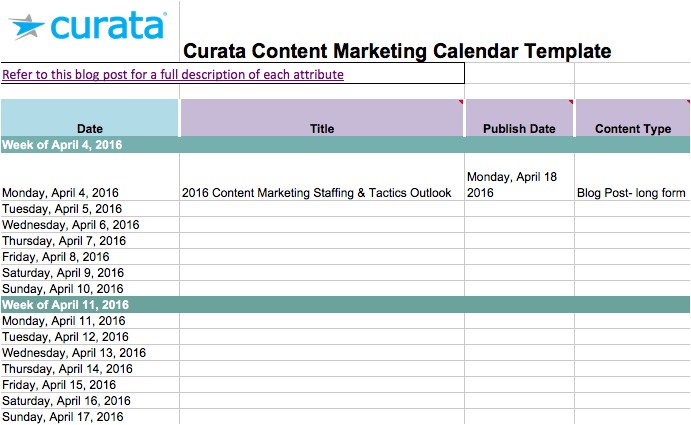
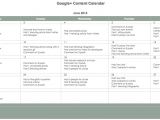
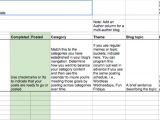
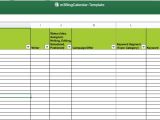
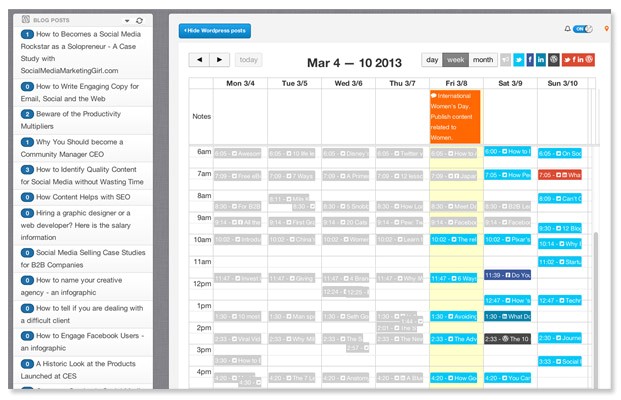
google docs calendar template spreadsheet best business from content calendar template google docs
Why Use Google Docs for Your Content Calendar?
Before diving into the “how,” let’s address the “why.” Why should you choose Google Docs over complex software?
1. Real-Time Collaboration
Google Docs was built for collaboration. Multiple team members can edit the calendar simultaneously, leave comments, and suggest changes in real-time. This eliminates the “version control” nightmare of emailing Word documents back and forth.
2. Seamless Integration
As part of the Google Workspace, your document integrates perfectly with Google Drive, Sheets, and even Calendar. You can easily link to your draft blog posts or research folders directly from your content schedule.
3. Zero Cost, High Accessibility
For startups and individual creators, budget is often a constraint. A content calendar template in Google Docs is completely free and accessible from any device—desktop, tablet, or smartphone.
Essential Elements of a High-Performing Content Calendar
A truly effective Content Calendar Template Google Docs needs to do more than just list dates. To satisfy the modern “User-First” content approach, your calendar should track specific data points that ensure every piece of content serves a purpose.
The Core Columns You Need:
Publish Date: When will the content go live?
Content Title/Topic: What is the primary focus?
Target Keywords: Which SEO terms are you aiming for?
Search Intent: Is the user looking for information, a specific product, or a comparison?
Content Status: (e.g., Not Started, In Progress, Review, Scheduled, Published).
Distribution Channels: Where will this be shared? (Blog, Instagram, LinkedIn, Newsletter).
Owner/Author: Who is responsible for the delivery?
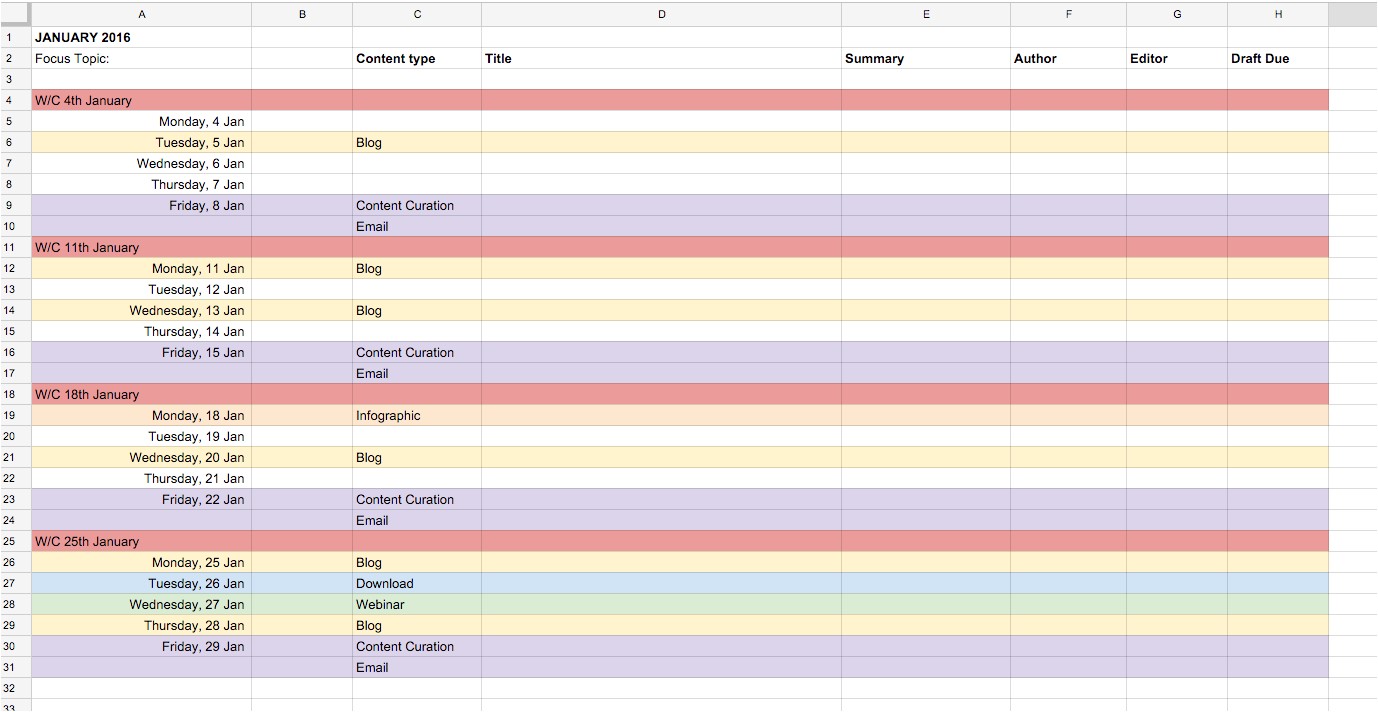
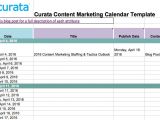
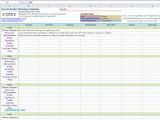
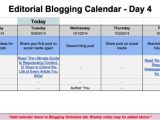
calendar template for google docs best business template from content calendar template google docs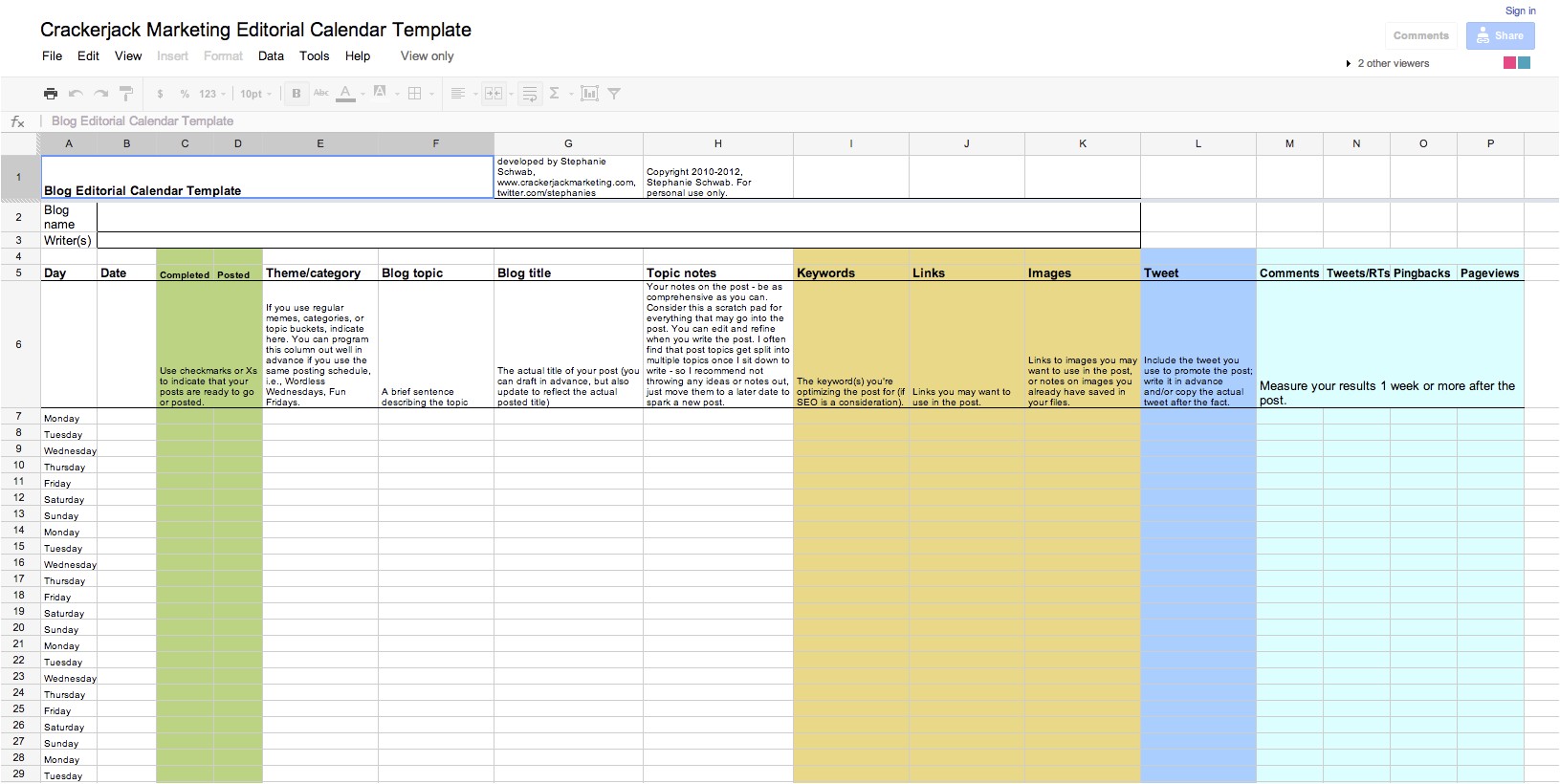
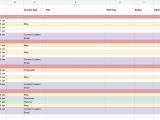
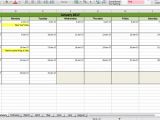
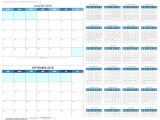
calendar template google docs spreadsheet best template idea from content calendar template google docs
How to Create Your Content Calendar Template in Google Docs
Creating a calendar from scratch might seem daunting, but by using the “Table” feature and Google’s “Building Blocks,” you can create a professional setup in minutes.
Step 1: Set Up the Table
Navigate to Insert > Table. For a monthly view, a grid of 7×5 works well. However, for a professional editorial workflow, we recommend a vertical list style. Use a table with 7-8 columns to accommodate the core elements mentioned above.
Step 2: Use Dropdown Menus
One of the best recent updates to Google Docs is the Dropdown chip.
Select a cell in your “Status” column.
Go to Insert > Dropdown.
Create a “Status” menu with colors: Green for “Published,” Yellow for “In Progress,” and Red for “Urgent.”
This provides a visual “at-a-glance” look at your production health.
Step 3: Utilize “Building Blocks”
Google Docs now offers “Project Management” building blocks. Type @product roadmap or @review tracker to see pre-made table layouts that can be easily adapted into a content calendar.
Aligning Your Calendar with Google’s Latest SEO Algorithms
In 2026, Google prioritizes E-E-A-T (Experience, Expertise, Authoritativeness, and Trustworthiness). Your content calendar shouldn’t just be a schedule; it should be a strategic map to prove your authority.
Focus on Content Clusters
Instead of writing random topics, use your Content Calendar Template Google Docs to plan “Topic Clusters.”
Pillar Page: A comprehensive guide on a broad topic.
Cluster Content: 5-10 smaller articles targeting specific long-tail keywords that link back to the pillar.
By visualizing this in a table, you ensure you aren’t leaving any “content gaps.”
Answering Search Intent
Every row in your template should have a “Search Intent” column. Google’s latest updates are designed to demote content that doesn’t satisfy the user. Before you write, determine if the user wants:
Informational: They want to learn.
Navigational: They are looking for a specific site.
Commercial: They are researching before buying.
Transactional: They are ready to buy.
Advanced Tips for Content Managers
Once you have your basic Content Calendar Template Google Docs set up, you can take it to the next level with these expert tips.
1. The Color-Coding System
Use background colors for rows to signify different content types. For example:
Blue: SEO-driven blog posts.
Purple: Social media snippets.
Orange: Email marketing campaigns.
2. Hyperlinking Assets
Don’t just write the title of the post. Hyperlink the title directly to the Google Doc where the draft is being written. This turns your calendar into a “Central Command Center” for your entire content department.
3. Setting Up Reminders
While Google Docs doesn’t have a built-in “alarm,” you can use the @date feature. By typing @ followed by a date, you can click the date to add it to your Google Calendar, ensuring you never miss a publishing deadline.
Google Docs vs. Google Sheets: Which is Better?
A common question is whether to use a Doc or a Sheet.
| Feature | Google Docs | Google Sheets |
| Visual Layout | Excellent for briefs & notes | Better for data/sorting |
| Collaboration | Very intuitive for writing | Can feel “cramped” for text |
| Formatting | High flexibility | Restricted to cells |
| Ideal For | Creative editorial planning | High-volume social scheduling |
For most creators focusing on User-First Content, Google Docs is superior because it allows you to keep the strategy, the keywords, and the editorial notes all in one readable, vertical flow.
Common Mistakes to Avoid
Overcomplicating the Template: If your template has 20 columns, your team won’t fill it out. Keep it lean. Focus on what moves the needle.
Forgetting to Update: A content calendar is a living document. Set aside 15 minutes every Friday to update statuses and plan the following week.
Ignoring the Data: Use your calendar in tandem with Google Analytics. If a specific “Topic Cluster” is performing well, pivot your future calendar entries to double down on that success.
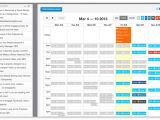
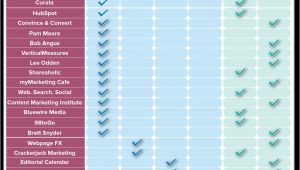
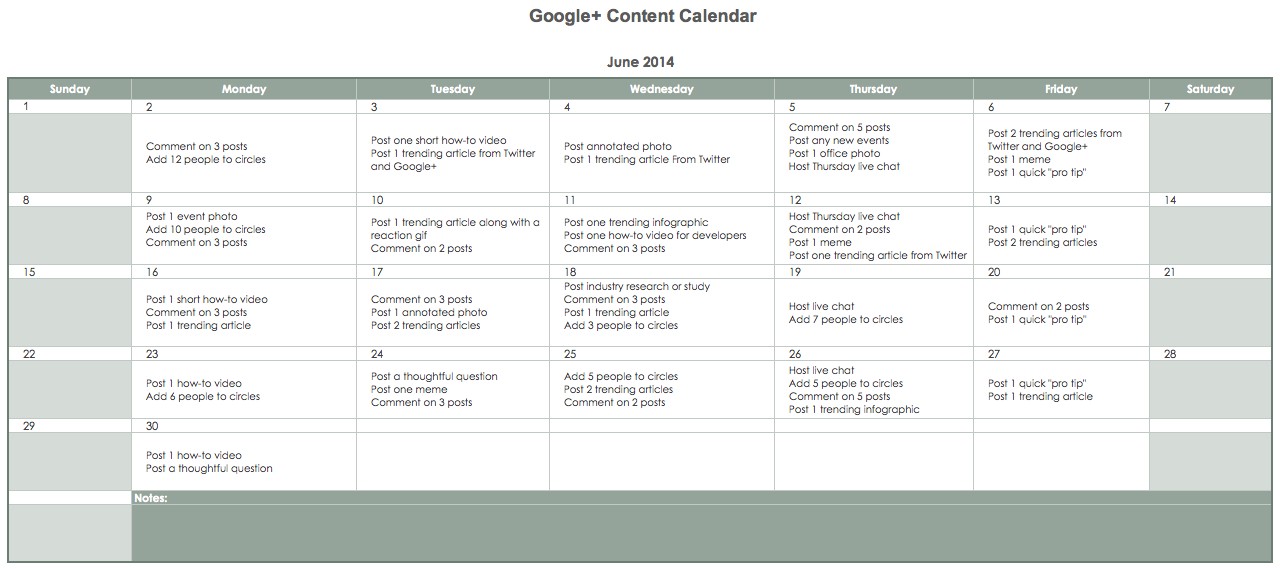
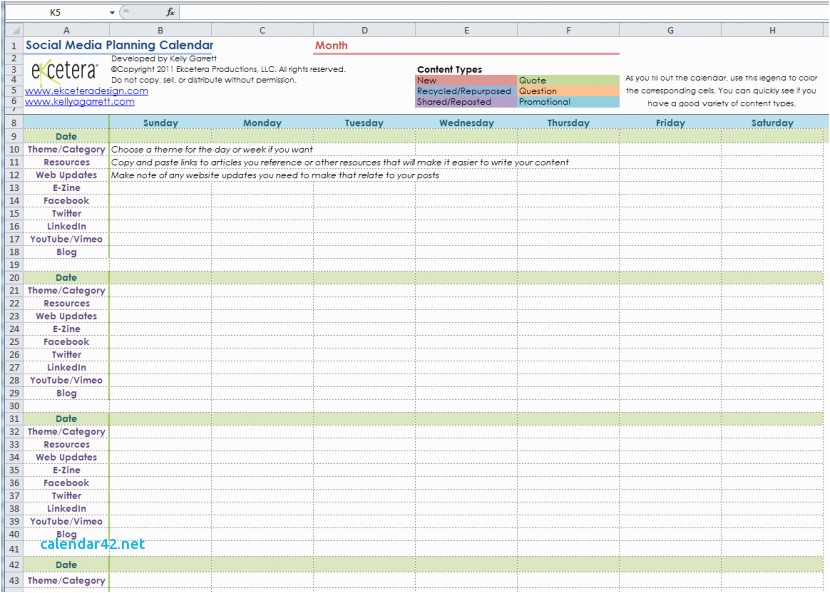
social media calendar template google docs planner from content calendar template google docs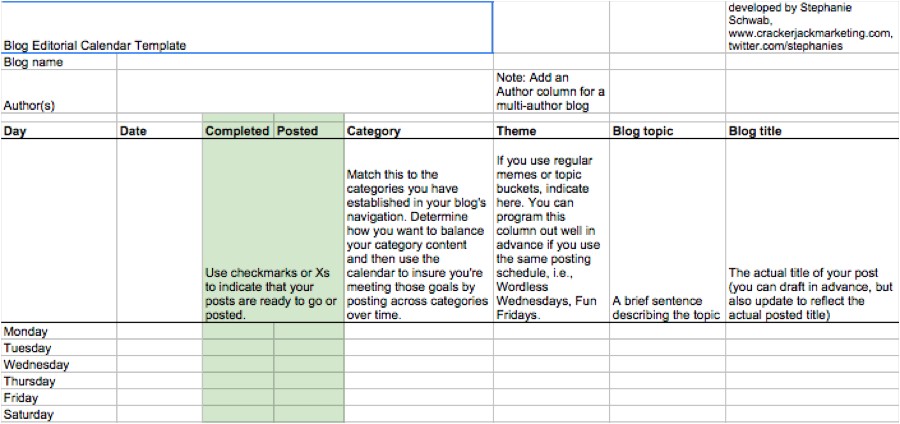
editorial calendar template google docs best business from content calendar template google docs
Conclusion: Take Control of Your Content Today
A Content Calendar Template Google Docs is more than just a table; it is a commitment to your brand’s growth. By organizing your thoughts, aligning with search intent, and fostering collaboration, you create a foundation for content that doesn’t just sit on a server—it performs.
Stop reacting to the “need to post” and start strategically planning for “the need to grow.” Use the steps above to build your system, and watch your consistency (and your rankings) soar.
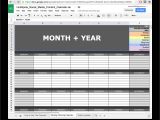
inspirational calendar template google docs 2016 calendar from content calendar template google docs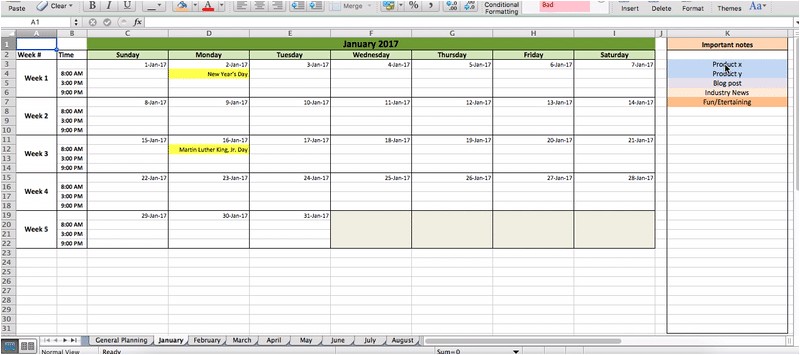
social media calendar template google docs planner from content calendar template google docs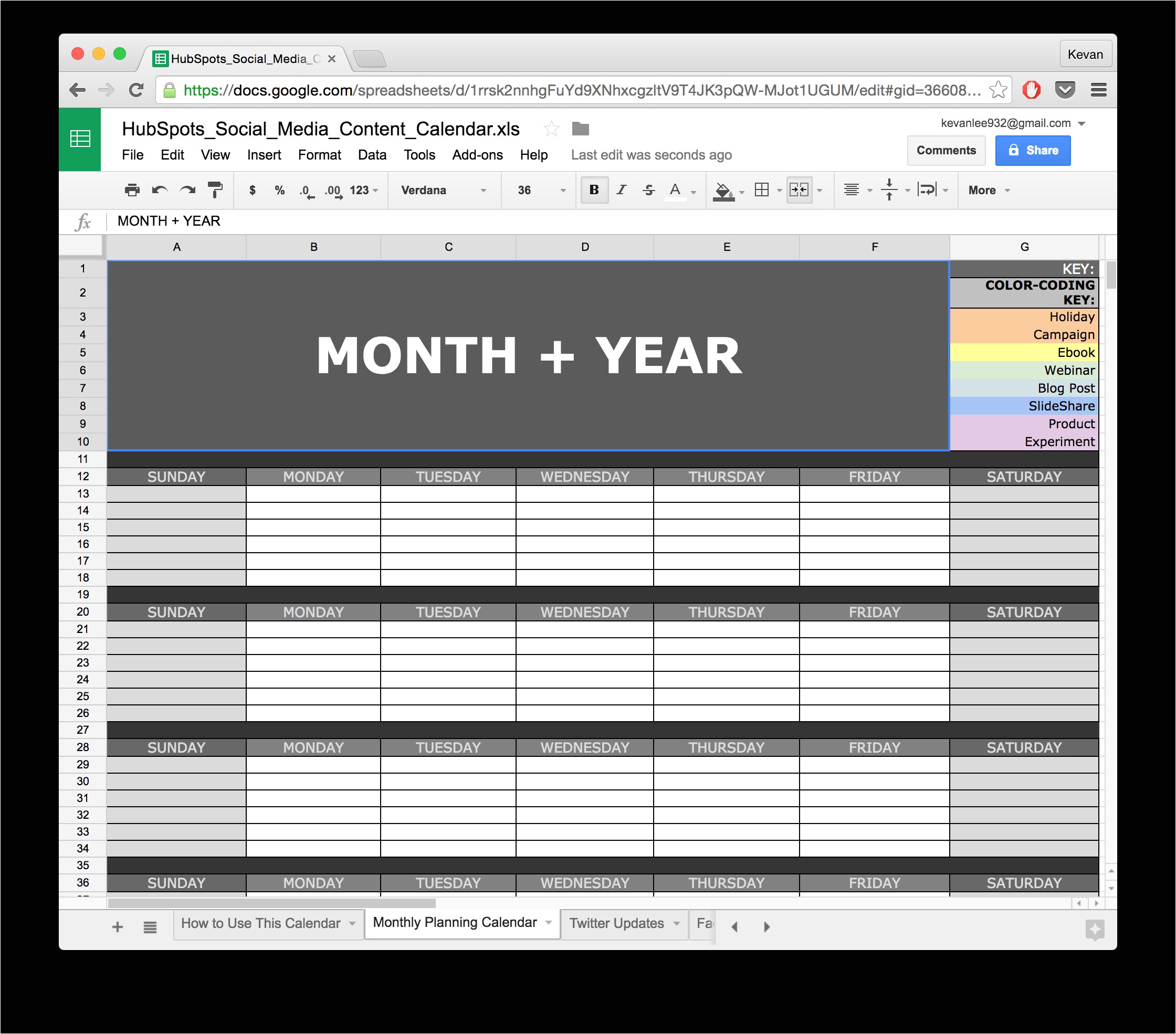
social media calendar template google docs planner from content calendar template google docs